
Have you had the experience of looking at a photo of yourself, and having thoughts like, ‘is that how I look?’ or not recognizing it is you? Have you then focused on that picture, and continued to pick yourself a part?. Have you then gone into a bit of mental spin, and it impact not only how you Have you had the experience of looking at a photo of yourself, and not recognizing it is you? Or having thoughts like, ‘is that how I look?’. Have you then focused on that picture, and continued to pick yourself a part?. Have you then gone into a bit of mental spin, and it impact not only how you feel about your body, but also how you feel about yourself, and you mood and anxiety overall?
You are not alone. Many people report that stumbling upon photos of themselves, particularly on social media, can really set them into a spin.
How we take and relate to photos we take has changed over the years. With technology, we have the luxury of being able to take many photos, as well as review and retake, if it doesn’t meet our standards. This has impacted how take and relate to photos. The focus of taking photos has moved towards getting the perfect image, or showing people we have the perfect life. This focus creates pressure, anxiety and judgment.
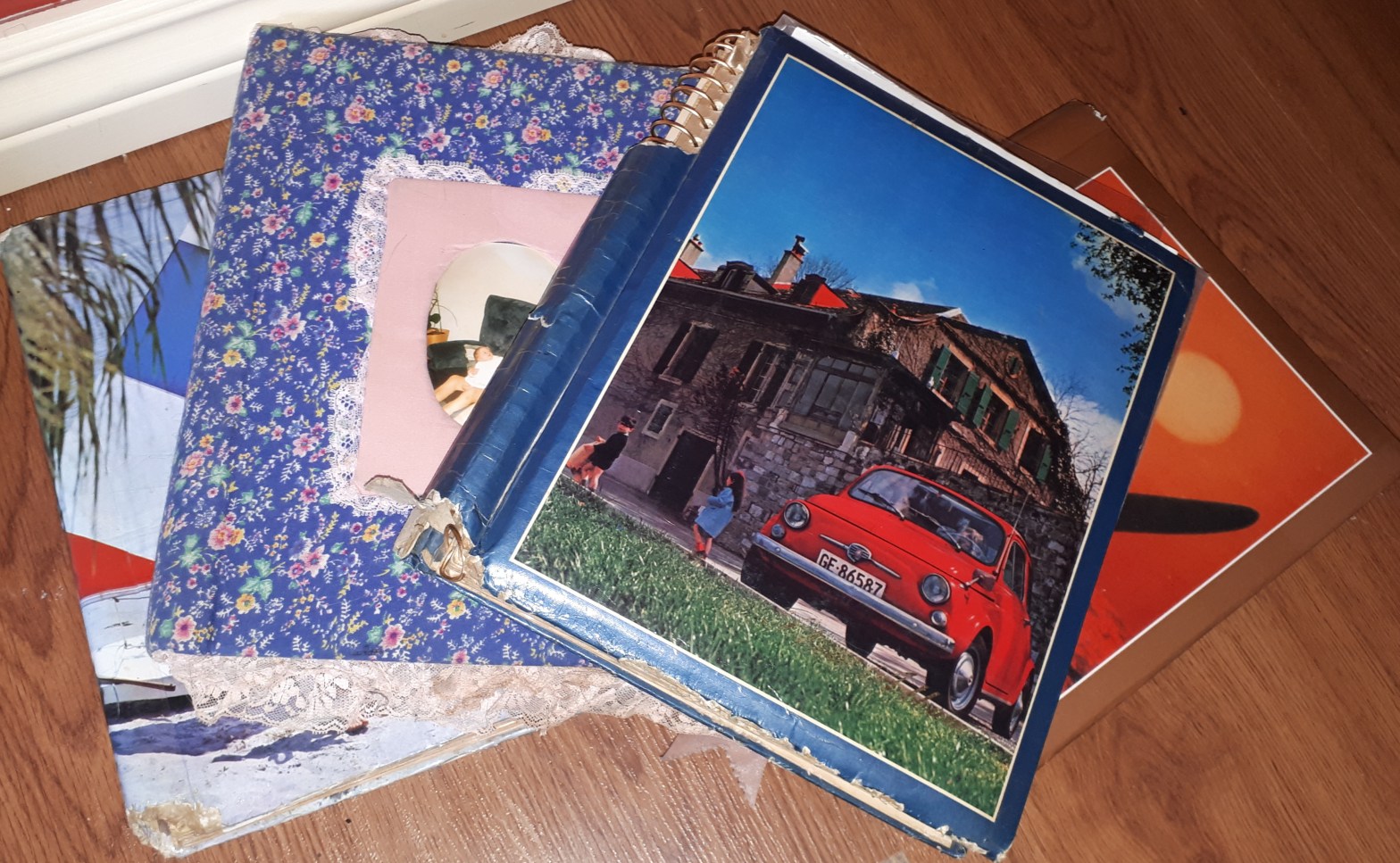
Let us hit the rewind button. Going back to a time before social media, and before internet was readily accessible. Back to a time when people had cameras that required film. A time where you couldn’t instantly review the photo you took, and you had to wait for it be developed. You had to pay for film itself, and for it to be developed, and you only had a limited number of shots in that film. A time when people commonly had photobooks or photo albums.
In this time, the focus of taking photos was to capture a memory. A memory of an event, of a person or people, or of a place. When people brought out photos or photo albums, it came with stories. Stories of events, people and places. The person sharing the photos or telling the story would connect with their memory, and invite those looking at the picture to join with them. It was a way of connecting. Was there an element of people wanting to look good in the picture, or get a good photos? Yes, and there was also the memories and stories to be told.
What would it be like to go retro with how we look at the photos we have, and maybe those that we take? When scrolling through social media, or stumbling upon photos in a phone or computer, I wonder what would happen if we focused on the memories. When was the photo taken? Where was it taken? What was happening (in the photo and at a broader level)? If we were showing this photo to someone, what would the story be or the memory that we would be sharing? What would happen if we took the focus away from how perfect or not perfect we look?
What would it be like to go retro with how we look at the photos we have, and maybe those that we take? When scrolling through social media, or stumbling upon photos in a phone or computer, I wonder what would happen if we focused on the memories. When was the photo taken? Where was it taken? What was happening (in the photo and at a broader level)? If we were showing this photo to someone, what would the story be or the memory that we would be sharing? What would happen if we took the focus away from how perfect or not perfect we look?
I invite you to experiment with going for the memory or story, and connection with others through these in your photos, and move away for the appearance.
 drsarahpegrum